Mountain State, Global Plate: How West Virginia Fell Hard for Indian Cuisine
West Virginia has always had its own culinary identity — pepperoni rolls, ramp festivals, cast-iron cornbread. It's a food culture built on resourcefulness, community, and deep roots. So when Indian restaurants started gaining real traction here, a lot of folks raised an eyebrow. But spend any time talking to locals who've discovered the magic of a well-made biryani or a slow-simmered dal, and the surprise fades fast. This state's love affair with Indian food is real, and it's growing.
A Changing Population Is Changing the Menu
West Virginia's demographics have been quietly shifting over the past decade. University towns like Morgantown and Charleston have seen an influx of international students, faculty, and professionals — many of them from South Asia. According to U.S. Census data, the Indian-American population has grown steadily in states that weren't traditionally considered immigration hubs, and West Virginia is no exception.
With that growth comes culture, and with culture comes food. Indian families who settled here didn't just bring their traditions — they created demand for ingredients, restaurants, and catering services that could actually deliver the real thing. No watered-down tikka masala. No generic "curry powder" shortcuts. The ask was for authenticity, and places like Sitara of India WV answered the call.
But it's not just the Indian-American community driving this. Long-time West Virginians are curious. They always have been, even if the options weren't always there.
Younger Generations Are Hungry for Something New
Millennials and Gen Z in West Virginia grew up with the internet, food travel shows, and social media feeds full of global cuisine. They've watched YouTube videos on how to make chaat. They've followed Indian food influencers. They know what good samosas are supposed to taste like — even if they'd never had one before moving to a city with an Indian restaurant.
This generation isn't content with the same five restaurants their parents rotated through. They want variety. They want to try something that challenges them, excites them, maybe even confuses them a little in the best possible way. Indian cuisine, with its layered spice profiles, regional diversity, and centuries of culinary tradition, delivers all of that.
And here's the thing — once someone tries a properly made lamb rogan josh or a crispy, golden dosa, there's rarely any going back. Indian food has a way of becoming part of your regular rotation fast.
Appalachian Comfort Meets Indian Warmth
There's more common ground between Appalachian food traditions and Indian cuisine than people might initially expect. Both cultures center food around community. Both rely heavily on legumes, slow cooking, and deeply seasoned dishes that are meant to be shared. Both have a profound respect for the idea that a good meal is also an act of care.
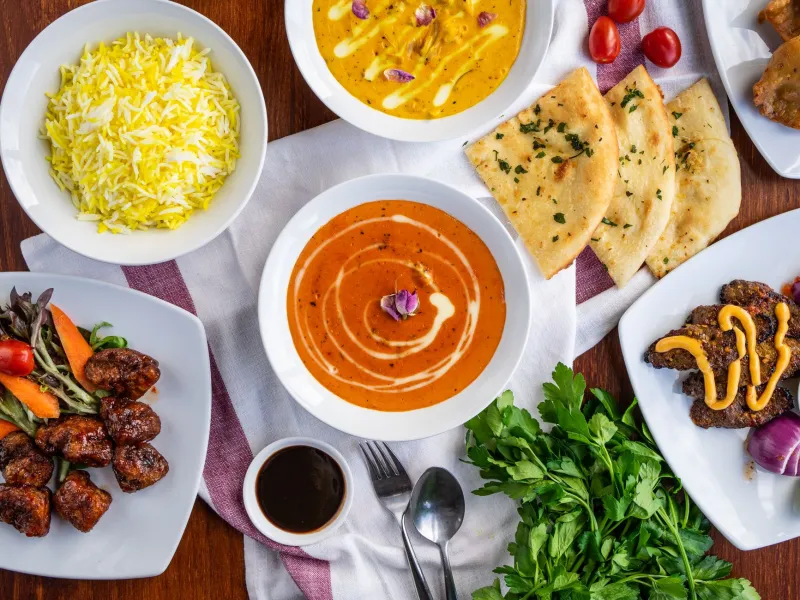
At Sitara of India WV, that overlap isn't just philosophical — it shows up on the plate. The warmth that West Virginians bring to a potluck or a church supper? Indian cuisine carries that same energy. A pot of chana masala bubbling on the stove, a tray of naan fresh from the tandoor, a table full of people passing dishes around — it feels familiar even when the flavors are brand new.
That bridge between Appalachian hospitality and Indian culinary tradition is part of what makes this such fertile ground for a restaurant like Sitara. It's not about replacing local food culture. It's about expanding it.
The Rise of Catering and Cultural Events
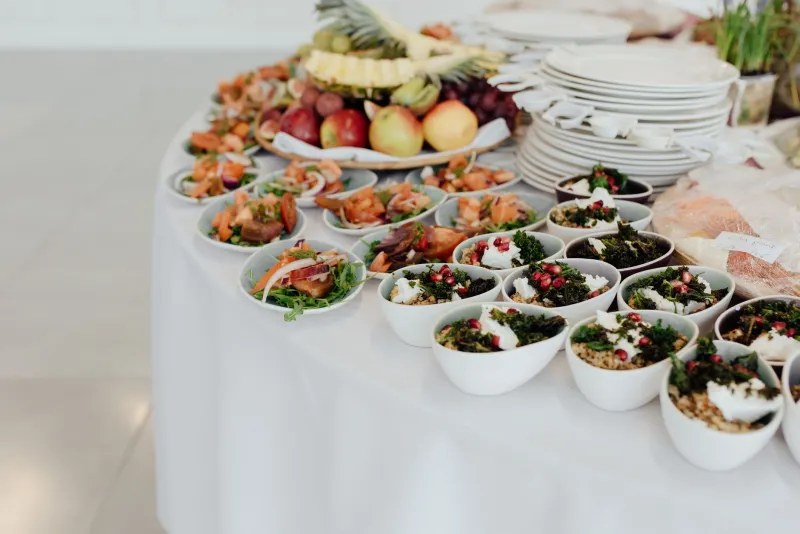
Beyond sit-down dining, Indian catering has become a genuine trend across the state. Corporate events, weddings, graduation parties, and community gatherings are increasingly featuring Indian food as a centerpiece rather than a novelty. People are discovering that a catered Indian spread — with its natural abundance of vegetarian options, bold presentation, and crowd-pleasing variety — works beautifully for large groups.
Schools and universities have also started inviting Indian food vendors and educators to cultural events, giving students a taste of something beyond the dining hall. These moments matter. They plant seeds of curiosity that often grow into lifelong appreciation.
Why Authenticity Is the Whole Point
One thing that sets Sitara of India WV apart in this evolving landscape is the commitment to doing things the right way. Authentic Indian cuisine isn't a single dish or a single region — it's a vast, complex culinary universe that spans from the tandoor ovens of Punjab to the coconut-rich curries of Kerala. Getting it right means respecting that diversity.
For West Virginians who are just beginning to explore Indian food, that authenticity is actually the draw. There's an educational element to every meal. You're not just eating — you're learning about a culture, a history, a way of life. And in a state that takes pride in its own deep traditions, that kind of storytelling through food resonates.
West Virginia is still very much in the early chapters of its Indian food story. But the pages are turning faster than anyone expected — and the flavors are absolutely worth the read.