From Coffee Country to Chai Country: How Spiced Tea Is Changing the Way West Virginia Sips
West Virginia Has Always Been a Hot Drink Kind of Place
There's something about cold mountain mornings that makes a warm mug feel almost sacred. West Virginians know this instinctively. Whether it's a thermos of drip coffee on a job site, a percolator running all day at a family diner, or a fresh pour at one of Morgantown's growing indie coffee shops, hot drinks are woven into the daily rhythm of life here.
So it might surprise you to learn that one of the fastest-growing conversations happening in those same coffee shops — and around kitchen tables across the state — isn't about a new roast or a trendy cold brew method. It's about chai.
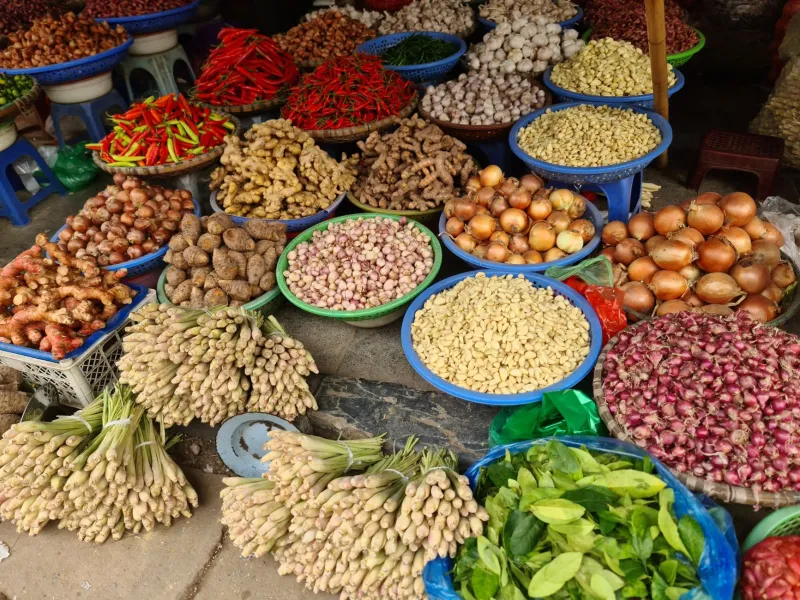
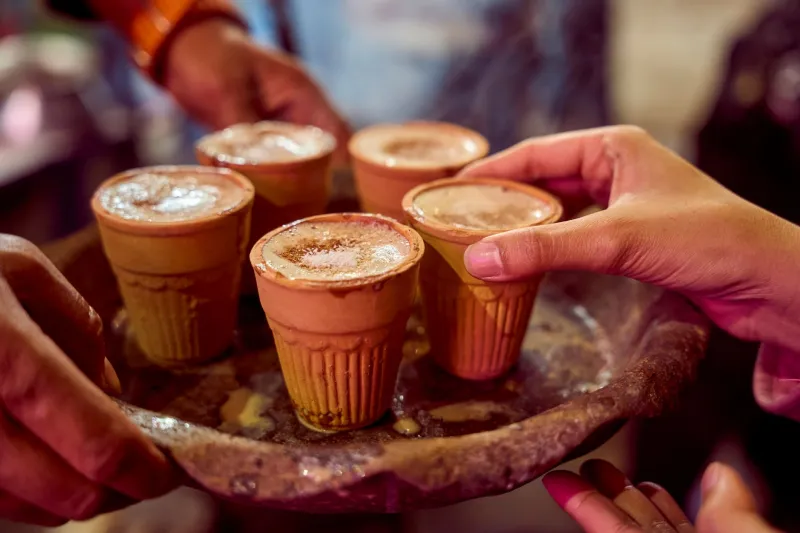
Not the overly sweet, syrup-heavy version that's been sitting on coffee chain menus for years. Real chai. Masala chai. The kind that's been brewed in Indian homes for centuries, layered with ginger, cardamom, black pepper, cloves, and cinnamon, simmered low and slow with whole milk until it smells like something your grandmother would have made — if your grandmother happened to grow up in Mumbai or Jaipur.
What Chai Actually Is (And What It Isn't)
Let's clear something up right away: "chai" simply means tea in Hindi. So when you order a "chai tea latte" at a coffee shop, you're technically ordering a "tea tea latte." No judgment — it happens to all of us.
What most people mean when they talk about chai in the Indian culinary tradition is masala chai — spiced tea. The recipe varies by region, by family, even by the cook's mood on a given morning. But the bones are consistent: strong black tea, a blend of warming spices, water, and milk, all simmered together rather than steeped separately.
The result is something thicker and more complex than a basic cup of tea. It's aromatic in a way that hits you before the mug even reaches your lips. And it carries a caffeine level that's noticeably gentler than coffee — enough to wake you up, not enough to make your hands shake by 10 a.m.
That last part, it turns out, is a big deal for a lot of people in West Virginia who are quietly rethinking their relationship with coffee.
The Slow Sip Movement Is Real, and Chai Fits Right In
Talk to people who've made the switch from coffee to chai — even partially — and you'll hear a similar story. They weren't necessarily looking to quit coffee. They stumbled onto chai through a friend, a restaurant, a recipe they found online, and something about it just clicked.
Sarah, a teacher from Charleston who asked us not to use her last name, describes her first real masala chai as "the first hot drink I've had in years that I actually sat down to drink instead of gulping on the way out the door." She now makes a pot every Sunday morning and says it's become the ritual she didn't know she needed.
That slowing-down quality isn't accidental. In Indian households, chai has never been purely about caffeine delivery. It's a social ritual. You make chai when a guest arrives. You make chai when someone needs comforting. You make chai as an excuse to stop, sit, and talk. The beverage is almost secondary to what it signals: you have time for this person, and for this moment.
For a state that has deep roots in community, in front-porch culture, in the kind of neighborliness that doesn't need a reason — that philosophy resonates.
How to Brew It at Home Without Overcomplicating Things
One reason chai has taken off is that it's genuinely approachable to make at home, even if you've never cooked with Indian spices before. Here's a simple starting point:
Basic Masala Chai (Serves 2)
- 1 cup water
- 1 cup whole milk (or your preferred milk alternative)
- 2 teaspoons loose black tea or 2 tea bags
- 3–4 green cardamom pods, lightly crushed
- 1 small cinnamon stick
- 3–4 whole cloves
- A thin slice of fresh ginger
- Sugar or honey to taste
Combine water and spices in a small saucepan and bring to a gentle boil. Let it simmer for two to three minutes so the spices open up. Add milk and tea, bring back to a near-boil, then reduce heat and simmer another two to three minutes. Strain into mugs and sweeten to taste.
The key is that simmering step. Don't rush it. That's where all the flavor develops.
Once you're comfortable with the base, start adjusting. More ginger if you like heat. More cardamom if you want something floral. A pinch of black pepper adds depth. Some families add fennel seeds or star anise. There's no single correct version — that's part of the beauty.
Chai in the Wellness Conversation
It's worth acknowledging that chai has also entered the American wellness space in a big way, and with that comes some oversimplification. You'll see "chai-spiced" everything now — granola bars, protein powders, candles, lip balm. The spices themselves — ginger, cardamom, cinnamon — do have real nutritional and digestive properties that Ayurvedic medicine has recognized for thousands of years. But chai isn't a supplement. It's a drink. A cultural practice. A way of being in the kitchen and at the table.
At Sitara of India WV, we think the wellness angle is fine as far as it goes, but the more interesting story is the cultural one. Chai isn't trending because someone discovered a new superfood. It's finding an audience here because people are genuinely curious about other ways of living — other ways of making time for each other, of starting a morning, of ending an afternoon.
West Virginia, for all its reputation as a place that resists outside influence, has always been quietly hungry for connection and meaning. Chai, it turns out, speaks that language.
Come Try It Before You Brew It
If you're curious but not quite ready to start experimenting in your own kitchen, the best first step is to taste the real thing in a setting where someone else has already done the work. When we cater events or host community gatherings here in West Virginia, chai is almost always part of the spread — and it's consistently one of the things people ask about most.
There's a reason for that. A well-made cup of masala chai is the kind of thing that makes you stop mid-sip and ask, what is in this? And that question is the beginning of a much bigger conversation about food, culture, and what it means to truly share a table with someone.
West Virginia's coffee culture isn't going anywhere. But there's room in the mug rack for something new — something that's actually very, very old.