Fix It with Flavor: Indian Cooking Tricks That Solve Your Biggest Kitchen Headaches
Let's be honest. We've all stood over a pot, tasted what's in there, and thought: something is missing, but I have no idea what. Maybe the meat came out chewy. Maybe the vegetables taste like warm sadness. Maybe you followed a recipe to the letter and it still landed flat.
Here's a little secret that Indian cooks have known for centuries — most common kitchen problems aren't ingredient problems. They're technique problems. And Indian cooking, built on thousands of years of culinary science passed down through generations, has a surprisingly practical fix for almost every one of them.
This isn't about turning your Tuesday night dinner into something unrecognizable. It's about borrowing a few smart moves from an ancient kitchen tradition and watching your everyday cooking — your roasts, your soups, your beans — transform into something genuinely great.
Problem #1: Your Dishes Taste Bland No Matter What You Do
This is probably the most common frustration in the home kitchen, and the fix isn't just "add more salt." The real issue is usually when and how you're adding flavor, not how much.
In Indian cooking, there's a foundational technique called tempering, or tadka (sometimes called chaunk). The idea is simple: you heat oil or ghee in a pan until it's genuinely hot — not warm, hot — and then you add whole spices. Things like cumin seeds, mustard seeds, dried chilies, or curry leaves. What happens next is the magic. The spices bloom. They release fat-soluble flavor compounds directly into the oil, which then carries that flavor into every single bite of whatever you're cooking.
Compare that to the way most of us were taught to cook: dump dried spices into a dish near the end, stir, and hope for the best. That method barely scratches the surface of what those spices can actually do.
Try this with something you already make. Next time you're cooking a pot of pinto beans — a West Virginia staple — heat a little oil in a separate small pan, throw in a teaspoon of cumin seeds, and let them sizzle for about 30 seconds until they darken slightly and smell incredible. Pour that directly over your beans before serving. The difference is immediate and a little bit shocking.
Problem #2: Tough, Chewy Meat That Doesn't Want to Cooperate
West Virginia hunters and home cooks work with some genuinely challenging cuts — wild game, venison, older birds, tougher beef. The instinct is usually to just cook it longer, which often makes things worse.
Indian cuisine has a long tradition of slow-braising tough proteins in a way that actually breaks them down rather than drying them out. The key is acid, fat, and low heat working together over time.
Marinating meat in yogurt-based mixtures is a technique used across Indian cooking from North to South. The lactic acid in yogurt gently breaks down muscle fibers without the harsh, over-tenderizing effect of vinegar or citrus. Add spices to that yogurt — garam masala, turmeric, ginger, garlic — and you're building flavor at the same time you're fixing the texture problem.
For wild game especially, a yogurt marinade overnight followed by a slow braise in a spiced tomato-onion gravy (think: the base of any good curry) produces meat that's tender, deeply flavored, and nothing like the gamey, tough result you might be used to. The braising liquid becomes a sauce. Nothing gets wasted. It's practical and delicious.
Problem #3: You Can't Figure Out How to Balance Big, Bold Flavors
Maybe you went a little heavy on the hot sauce. Maybe a dish came out too rich, too sour, or just weirdly one-note. Balancing flavor is genuinely one of the hardest skills to develop in the kitchen, and most cooking advice just says "adjust seasoning" without telling you how.
Indian cooking is built around a philosophy of deliberate balance — the interplay of six tastes (sweet, sour, salty, pungent, bitter, and astringent) in a single dish. This isn't abstract theory. It shows up in very practical ways.
- Too spicy? Add a fat — coconut milk, cream, yogurt, or even a pat of butter. Fat coats the tongue and physically reduces the perception of heat. This is why raita (a simple yogurt sauce) exists alongside spicy curries.
- Too rich or heavy? Introduce something acidic. A squeeze of lime, a spoonful of tamarind, or even a splash of tomato brightens the whole dish and cuts through the heaviness.
- Too sour? A pinch of sugar or a handful of something starchy — like potatoes or chickpeas — absorbs and softens sharp acidity.
- Flat and one-dimensional? You're probably missing something bitter or aromatic. Fresh cilantro, fenugreek leaves, or even a small pinch of asafoetida (hing) can add the depth that makes a dish feel complete.
Think of it less like following rules and more like having a conversation with your food. Something's off — ask yourself which direction it needs to go, then nudge it there.
Problem #4: You Don't Know How to Build Layers of Flavor
One of the biggest differences between a dish that tastes good and one that tastes complex is layering. Most home cooks add everything at once and hope it works out. Indian cooking builds flavor in distinct stages, and each stage adds something the next one can't.
The classic sequence looks something like this:
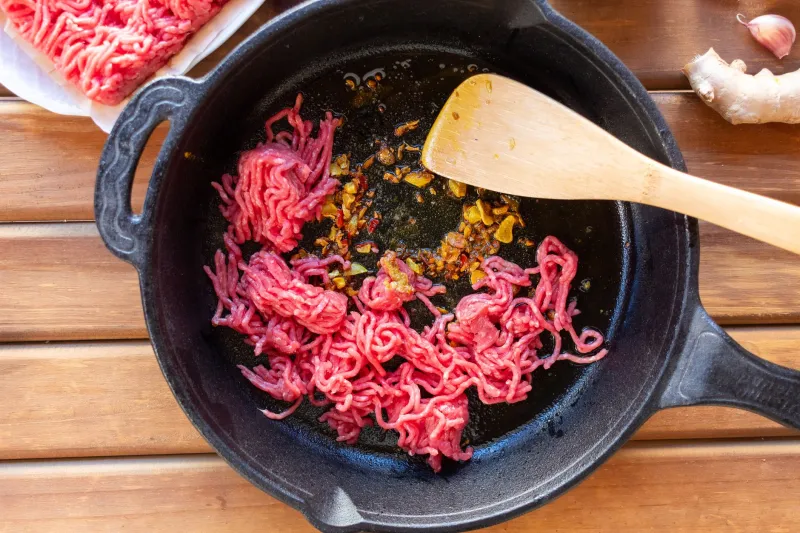
- Aromatics first — onion, garlic, and ginger cooked low and slow in fat until they're soft, sweet, and golden. This can take 15–20 minutes and it's worth every second.
- Whole spices next — added to the aromatics so they toast slightly and meld with the base.
- Ground spices after that — stirred in for just a minute or two so they cook out their raw edge without burning.
- Wet ingredients last — tomatoes, yogurt, broth, or coconut milk, which deglaze the pan and pull all those built-up flavors together.
This process works with almost anything. You can apply it to a pot of West Virginia-style chili, a venison stew, or a simple pot of lentils. The ingredients don't have to be Indian. The approach is what changes everything.
The Bigger Picture
What makes Indian cooking so useful for home cooks isn't that it's exotic or complicated — it's that it's systematic. Generations of cooks developed these techniques because they worked, because they solved real problems with the ingredients available to them.
West Virginia kitchens are full of good, honest ingredients: game meat, garden vegetables, dried beans, root vegetables. They deserve cooking techniques that are as thoughtful and time-tested as the food itself.
Next time something goes sideways in your kitchen, don't reach for a different recipe. Try a different technique. Temper your spices. Marinate in yogurt. Build your aromatics slowly. Balance what's out of whack. Indian cooking has been quietly solving these problems for a very long time — and your dinner is the beneficiary.