Rooted in the Land: What India's Ancient Spice Trade Can Teach West Virginia's Local Food Movement
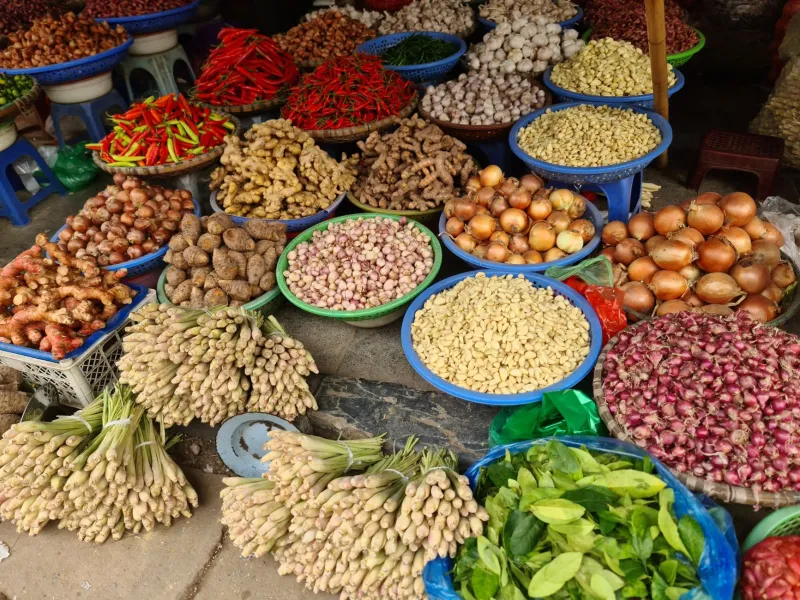
There's a moment, if you've ever stood in a West Virginia farmers market on a crisp Saturday morning, where something clicks. The mason jars of dried herbs, the hand-labeled bags of dried beans, the vendor who knows exactly which holler her garlic came from — it feels ancient. Personal. Like food the way it was always supposed to be.
That same feeling lives inside India's spice trade, one of the oldest and most sophisticated food supply networks in human history. And the more you look at both systems side by side, the more the parallels start to feel less like coincidence and more like a shared philosophy about what food is actually for.
Two Traditions, One Instinct
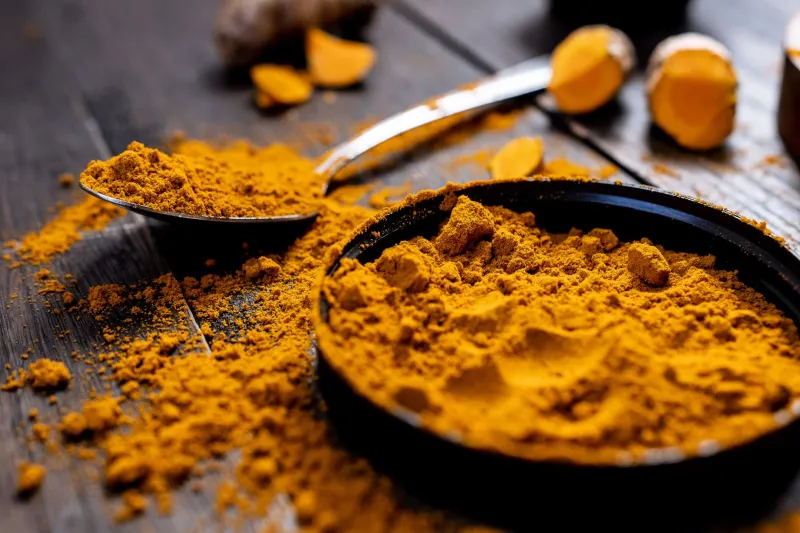
India's spice routes didn't just move product. They moved knowledge. Turmeric grown in Tamil Nadu carried with it generations of understanding about soil, climate, and harvest timing. Cardamom from Kerala's Western Ghats arrived in distant markets with the fingerprints of the families who tended those plants. The trade was regional, relational, and deeply tied to the land it came from.
West Virginia's local food movement — still young, still finding its footing — is reaching for something similar. Farmers across the state are rebuilding direct relationships with buyers. Restaurants are starting to name their suppliers on menus. Community-supported agriculture programs are asking eaters to trust a farm the way a spice merchant once trusted a grower half a continent away.
"People around here have always grown their own food. That never really went away," says one small-scale vegetable farmer outside Lewisburg who supplies several local restaurants. "What's changing is that restaurants and home cooks are starting to care again about where it comes from. That feels like coming back to something real."
The Spice Importer in the Middle
One of the lesser-told stories in both traditions is the role of the middleman — and how that role, done right, can actually strengthen a food system rather than dilute it.
In India's historic spice trade, trusted brokers served as translators between growers and end markets. They understood quality, they knew the growers personally, and they had reputations that depended on the integrity of what they moved. It wasn't purely transactional. It was relational.
A small spice importer who works with several Indian restaurants in the mid-Atlantic and Appalachian region describes a similar dynamic in her work today. "I visit the farms. I know the families. When I bring turmeric or fenugreek into the U.S., I can tell you exactly what village it came from and what the growing season looked like," she explains. "That traceability matters. It changes how a chef uses an ingredient when they actually know its story."
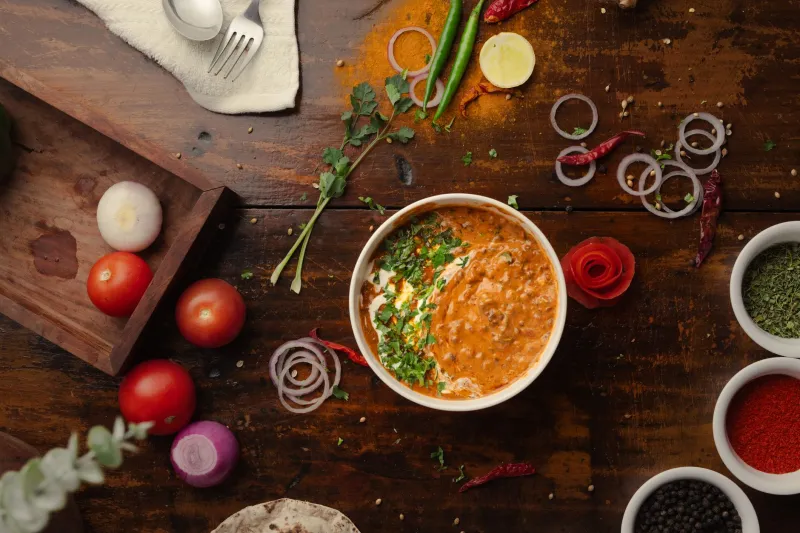
For Indian restaurants in West Virginia like Sitara of India, that kind of sourcing isn't just a marketing point — it's a culinary one. Spices with genuine provenance taste different. They behave differently in a dish. And they carry a kind of integrity that shortcuts simply can't replicate.
Seasonal Cooking as a Shared Value
One of the things Indian cuisine gets right that Western food culture is only recently rediscovering is the deep relationship between cooking and season. Ayurvedic food traditions have long prescribed not just what to eat, but when — based on what the land is producing and what the body needs at different times of year.
Appalachian food traditions carry a version of this too, even if it's rarely framed in those terms. Ramps in spring. Corn in summer. Root vegetables and dried beans through winter. The old-timers in West Virginia didn't need a philosophy to tell them to eat seasonally — it was just how you ate.
"My grandmother never thought of herself as practicing seasonal cooking," says a chef who grew up in rural Pocahontas County and now incorporates both Appalachian and Indian influences in his cooking. "She just cooked what was there. But when I started studying Indian food more seriously, I realized she and my Indian culinary heroes were operating from the same instinct. The land tells you what to cook. You just have to listen."
That instinct is showing up in some interesting places. A handful of West Virginia farmers are now experimenting with growing spice-adjacent crops — coriander, fenugreek, even ginger in sheltered microclimates — partly inspired by conversations with Indian chefs who've expressed interest in locally sourced versions of ingredients they typically import.
Rebuilding the Supply Chain, One Relationship at a Time
What's emerging in West Virginia isn't just a local food trend. It's a slow, deliberate effort to rebuild supply chains that were dismantled over decades of industrial agriculture. And the Indian culinary tradition — with its centuries-long model of regional sourcing, quality-focused trade, and community-anchored exchange — offers a surprisingly useful blueprint.
Some of that work is happening at the restaurant level. Indian restaurants in the region are increasingly sourcing proteins, produce, and dairy locally while importing spices through verified, relationship-based channels. It's a hybrid model that honors both the necessity of global ingredients and the value of local ones.
Some of it is happening at the farm level, where growers are finding new markets by connecting with chefs who understand flavor at a deeper level than the average buyer. An Indian chef who knows what to do with fresh curry leaves or a properly ripened tomato is a very different customer than a bulk buyer looking for uniformity.
And some of it is happening in conversations — at markets, at dinners, at community events — where people from different food traditions are discovering that their values around land, sourcing, and community are more aligned than their ingredients might suggest.
What the Spice Routes Left Behind
India's ancient spice trade eventually became something more complicated — colonized, commodified, stripped of much of its relational character by the same industrial forces that hollowed out Appalachian food systems. But the original instinct behind it, the idea that food should be traceable, that growers deserve recognition, that quality and place are inseparable — that instinct survived.
West Virginia's food movement is in the early stages of recovering something similar. And the presence of Indian culinary traditions in the state, through restaurants, through immigrant families, through chefs who carry both worlds in their cooking, is quietly adding depth to that recovery.
The spice routes and the Appalachian hills are separated by thousands of miles and centuries of history. But the people rebuilding food systems in both traditions are asking the same question: what does it mean to eat in a way that honors where you are?
That question, it turns out, has a lot of answers. And most of them taste pretty good.