Slow Down to Speed Up: How Indian Cooking Techniques Can Rescue Your Weeknight Dinner Routine
It's 6:15 on a Tuesday. You just got home from work, the kids are somewhere between hungry and feral, and the question "What's for dinner?" is hanging in the air like a threat. Sound familiar? For a lot of West Virginia families, weeknight cooking feels less like nourishment and more like a fire drill.
Here's something that might surprise you: the answer to all that kitchen chaos might come from a culinary tradition that's thousands of years old. Indian cooking — with its reputation for complexity and long ingredient lists — is actually built on a philosophy that's tailor-made for reducing mental load. Not by cutting corners, but by working smarter from the very first step.
The Myth of "Complicated" Indian Food
When most people think of Indian cuisine, they picture elaborate restaurant dishes with mysterious sauces and a spice cabinet the size of a small closet. That image isn't entirely wrong, but it misses the point of how Indian food actually functions in everyday home kitchens — both in India and, increasingly, right here in West Virginia.
At its core, Indian home cooking is built around a handful of repeatable techniques that, once learned, become almost automatic. You're not reinventing the wheel every night. You're playing the same few chords in different combinations. That's a very different kind of complexity — one that actually gets easier the more you do it.
Tempering: The Five-Minute Flavor Foundation
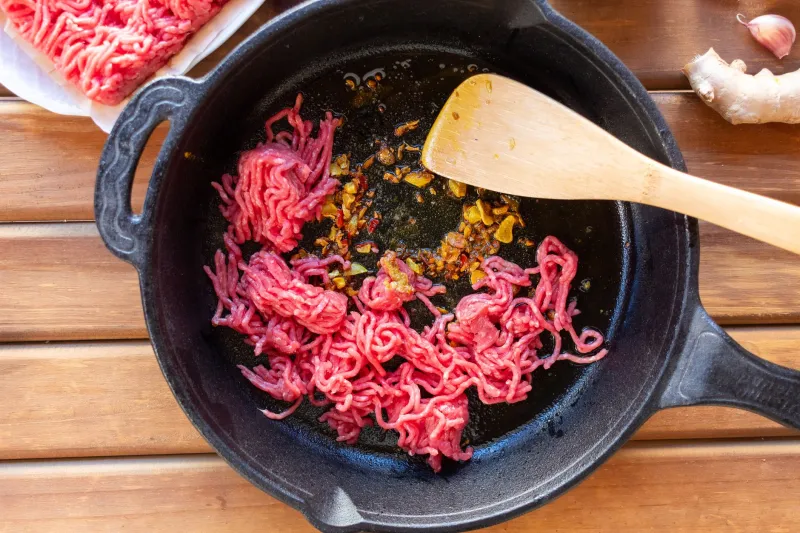
One of the most powerful tools in the Indian cook's arsenal is something called a tadka, or tempering. It sounds fancy, but the concept is beautifully simple: you heat oil or ghee in a pan, then add whole spices — mustard seeds, cumin, dried chilies, curry leaves — and let them sizzle for about thirty to sixty seconds until they bloom and release their essential oils.
That's it. That single step lays a flavor foundation that does the heavy lifting for everything that comes after it. No elaborate sauce. No long marinade. Just hot fat and a few whole spices, and suddenly your kitchen smells like something intentional is happening.
For West Virginia home cooks used to reaching for a seasoning packet or a jar of premade sauce, this is genuinely liberating. You're building real depth of flavor in less time than it takes to preheat the oven.
Layering Flavors: The Mental Shortcut You Didn't Know You Needed
One of the quiet stresses of weeknight cooking is decision fatigue — that low-grade anxiety of not knowing if what you're making is going to taste like anything. Indian cooking sidesteps this almost entirely through a structure called flavor layering.
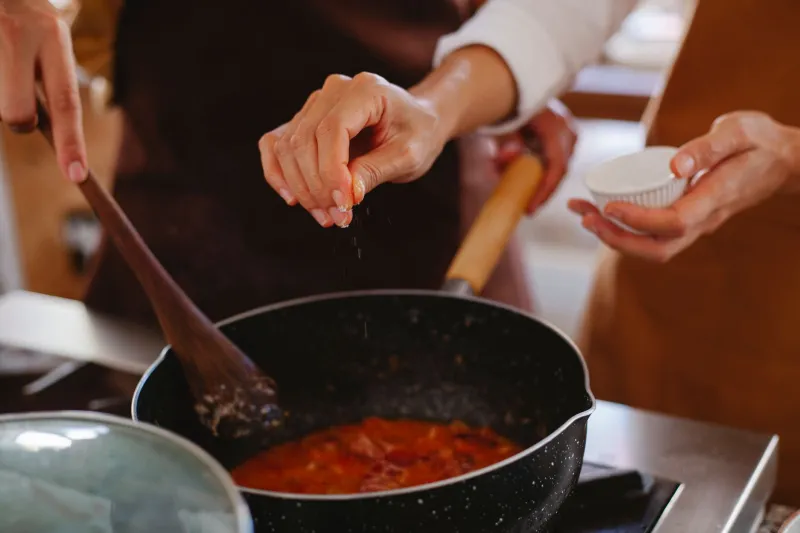
Instead of trying to season a dish at the end and hoping for the best, Indian technique adds flavor at multiple stages: the tempering at the start, aromatics like onion, ginger, and garlic in the middle, then spice powders added at just the right moment to toast briefly before liquid goes in. Each layer builds on the last, and by the time you're done, the dish has a complexity that feels like you spent hours on it — even if you didn't.
The psychological payoff here is real. You're not white-knuckling it through dinner prep, wondering if it'll come together. You know it will, because the structure is doing the work for you.
Patient Simmering: Why Letting Go Is the Most Efficient Move
Here's where Indian cooking really diverges from the frantic energy of most American weeknight cooking: it asks you to stop hovering.
Once a curry or dal is simmering, you're largely done. The heat does the work. You can step away, help with homework, feed the dog, or just stand at the counter and breathe for a minute. The dish isn't going to fall apart if you're not stirring it every thirty seconds. In fact, most Indian braises and simmered dishes actively improve the longer you leave them alone.
For families in the Mountain State who are used to multi-tasking through dinner prep, this shift in approach is almost meditative. You make your moves at the beginning, then you trust the process. That's not laziness — that's efficiency with a side of sanity.
The One-Pot Advantage
Another underrated feature of traditional Indian cooking is how naturally it lends itself to one-pot meals. Dishes like dal tadka, chana masala, khichdi, and aloo gobi are complete, satisfying, nutritionally balanced meals that come together in a single vessel. Fewer dishes. Fewer decisions. Less cleanup.
For West Virginia families juggling work, school, sports, and everything else life throws at a weeknight, the one-pot meal isn't a compromise — it's a strategy. And when that one pot is producing something that tastes this good, it stops feeling like a shortcut and starts feeling like a skill.
Batch Cooking the Indian Way
Indian cooks have been doing batch prep long before meal prepping became a lifestyle brand. A big pot of dal made on Sunday feeds a family for three days. A batch of homemade masala paste, frozen in tablespoon portions, means you're always fifteen minutes away from a real dinner. Caramelized onions — the backbone of so many Indian dishes — can be made in bulk and refrigerated for the week.
At Sitara of India WV, we see this approach in action constantly, especially with our catering clients who are feeding groups and need reliable, scalable results. The same principles that make Indian food work for a wedding buffet of two hundred people also make it work for a Tuesday night dinner for four.
Changing Your Relationship With the Kitchen
Ultimately, what Indian cooking offers busy West Virginia families isn't just a set of recipes — it's a different way of thinking about dinner. One that values rhythm over rush, technique over speed, and presence over panic.
When you learn to temper spices with confidence, when you understand why the onions need to go dark before the tomatoes go in, when you trust a pot of dal to take care of itself for twenty minutes — something shifts. Cooking stops being a chore you endure and starts being something closer to a ritual you look forward to.
That's not a small thing. In a state where people work hard, commute far, and stretch every dollar, a dinner routine that actually restores your energy instead of draining it is worth its weight in turmeric.
So the next time Tuesday rolls around and the kitchen feels like the last place you want to be, consider reaching for the cumin seeds instead of the delivery app. The slow way, it turns out, is often the fastest route to a meal that actually matters.