Forget the Loaf: How Indian Flatbreads Are Quietly Taking Over West Virginia Kitchens
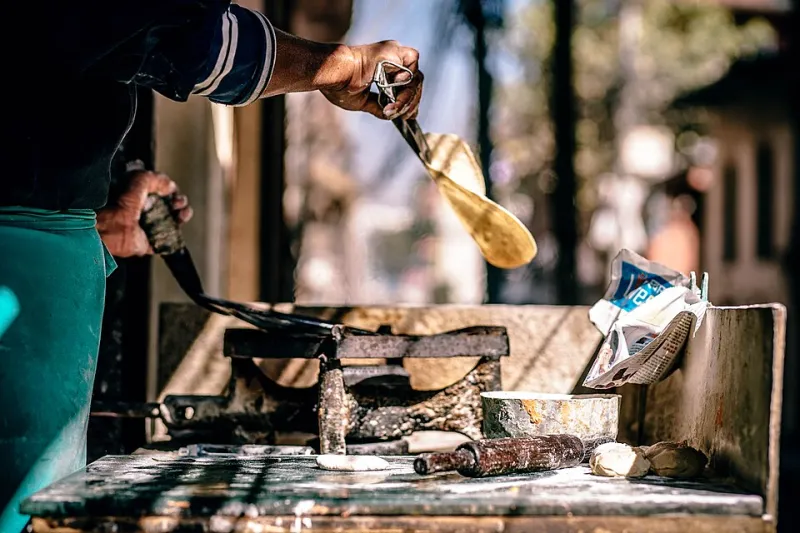
Photo: Igor Ovsyannykov igorovsyannykov, CC0, via Wikimedia Commons
There's a quiet revolution happening in West Virginia kitchens, and it doesn't involve sourdough starters or artisan bakeries. It involves a hot cast iron skillet, a handful of whole wheat flour, and a cooking tradition that stretches back thousands of years. Indian flatbreads — naan, roti, paratha — are making serious inroads on dinner tables from Charleston to Morgantown, and the people who've made the switch aren't going back.
We talked to home cooks, families, and the folks here at Sitara of India WV about what's driving this flatbread moment, and what we heard was surprisingly consistent: once you've torn off a piece of fresh, warm roti and scooped up a bowl of lentil soup or a slow-cooked curry, a cold slice of store-bought white bread just doesn't cut it anymore.
What's the Difference Between Naan, Roti, and Paratha Anyway?
If you're new to Indian flatbreads, the variety can feel a little overwhelming at first. But each one has its own personality, and once you get to know them, you'll find yourself reaching for a specific one depending on what you're cooking.
Roti (sometimes called chapati) is the everyday flatbread of Indian households. It's made from whole wheat flour, water, and a pinch of salt — that's it. It's thin, slightly chewy, and cooked dry on a hot griddle. Think of it as the everyday workhorse, the equivalent of a dinner roll but way more interesting.
Naan is the one most Americans already know from restaurant menus. It's leavened with yeast or yogurt, giving it that soft, pillowy texture and slightly tangy flavor. Traditionally cooked in a tandoor oven, naan can be replicated at home in a cast iron skillet with great results.
Paratha is where things get really fun. It's a layered flatbread made with whole wheat flour and ghee or butter, and it can be stuffed with everything from spiced potatoes to paneer to minced lamb. It's flaky, rich, and filling — the kind of bread that makes a meal out of itself.
Why West Virginia Home Cooks Are Making the Switch
Sarah M., a home cook from Fairmont who started experimenting with Indian cooking during the pandemic, put it simply: "I started making roti because I ran out of bread and had flour. Now I make it three or four times a week. My kids actually ask for it."
That story is more common than you'd think. What starts as curiosity or necessity often turns into habit, because Indian flatbreads are genuinely practical. They come together fast — a basic roti takes about 20 minutes from start to finish — and they don't require any specialty equipment beyond a rolling pin and a skillet.
There's also a nutritional argument worth making. Roti and paratha made from whole wheat atta flour (a finely milled Indian whole wheat) have a lower glycemic index than most commercial white breads. They're higher in fiber and free from the preservatives and additives that fill out a lot of packaged loaves. For families trying to eat cleaner without giving up the comfort of bread, it's a genuinely appealing swap.
The Cultural Weight of Bread
In Indian culture, bread isn't a side item — it's a central part of the meal. Roti is made fresh at almost every dinner in millions of Indian households. The act of rolling and cooking flatbread is something passed down from grandmothers to mothers to children, and it carries a kind of warmth that a pre-sliced loaf simply can't replicate.
For Indian families living in West Virginia, maintaining that tradition is a way of staying connected to home. And for West Virginians who are new to Indian food, learning to make flatbread can be a surprisingly meaningful entry point into the cuisine — it's approachable, tactile, and immediately rewarding.
At Sitara of India WV, we've seen this firsthand through our cooking events and catering experiences. When guests watch roti being made fresh and then get to tear into it themselves, something clicks. Food becomes less foreign and more familiar.
A Beginner's Roti Recipe to Get You Started
If you've never made Indian flatbread before, roti is the place to start. Here's a simple version that works even on your first try.
What you need:
- 2 cups whole wheat flour (atta flour if you can find it, regular whole wheat works too)
- ¾ cup warm water, plus more as needed
- ½ teaspoon salt
- 1 teaspoon oil or ghee (optional but recommended)
How to make it:
- Mix the flour and salt together in a bowl. Add the oil if using.
- Slowly add the warm water, mixing as you go, until a soft dough forms. It should be smooth and not sticky.
- Knead for about 5 minutes, then cover and let it rest for 15 to 20 minutes.
- Divide the dough into golf ball-sized portions and roll each one into a thin circle, about 6 to 7 inches across.
- Cook on a dry, hot cast iron skillet for about 30 to 45 seconds per side. You'll see brown spots form — that's what you want.
- Optional: hold the roti directly over a gas flame for a few seconds to puff it up.
- Brush with a little ghee or butter and serve immediately.
That's genuinely it. Serve alongside a bowl of dal, a simple curry, or even just some good butter and you have something that blows white bread completely out of the water.
What to Eat with Indian Flatbreads
One of the reasons these breads translate so well into American kitchens is their flexibility. Roti works beautifully as a wrap — fill it with scrambled eggs and hot sauce for breakfast, or leftover chicken and vegetables for lunch. Paratha pairs perfectly with yogurt and pickle for a traditional Indian breakfast that also happens to be incredibly satisfying on a cold West Virginia morning. Naan is a natural base for a quick flatbread pizza, or serve it alongside any soup or stew you'd normally reach for crackers with.
The Loaf Isn't Going Anywhere, But It Has Competition
Nobody's saying you need to throw out your sandwich bread. But the growing presence of Indian flatbreads in West Virginia kitchens says something interesting about how this state's food culture is evolving. People here have always been practical about food — they cook what works, what fills you up, and what tastes good. Indian flatbreads check all three boxes, and they come with a side of history and culture that makes the meal feel like something more.
If you're curious about exploring Indian flatbreads further — whether through a cooking class, a catering event, or just a great meal out — Sitara of India WV is here to help make that introduction. Sometimes the best way to understand a cuisine is to start with the bread.