Why West Virginians Are Wired to Love Indian Food (It's Not Just the Heat)
Ask anyone who's grown up in West Virginia what makes a meal worth eating, and you'll hear the same kinds of answers: it's gotta have depth, a little smoke, something that lingers on your tongue. Bland food doesn't really have a place here. Never has.
So when people try authentic Indian food for the first time — not the watered-down version, but the real deal with whole spices, slow-cooked sauces, and layers of aromatics — something clicks. It doesn't feel foreign. It feels, weirdly, like home.
That reaction isn't random. There's actual science behind it.
The Brain on Bold Flavor
Flavor perception isn't just about taste buds. It's a full neurological event. When you eat something complex — something that hits multiple sensory receptors at once — your brain releases dopamine. That's the same reward chemical tied to music, social connection, and yes, comfort.
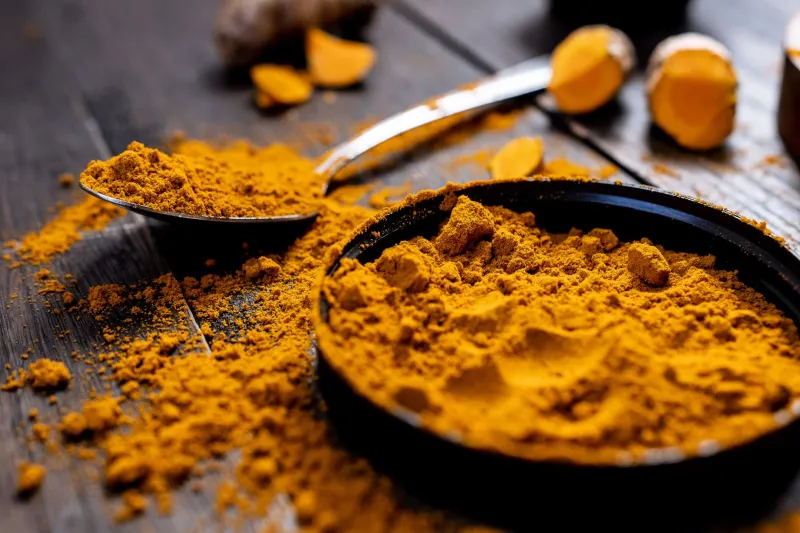
Indian cooking is practically engineered to trigger this response. A single dish might contain cumin, coriander, turmeric, fenugreek, cardamom, and a half-dozen other spices, each interacting with different receptors. Some compounds, like capsaicin in chili peppers, actually create a mild stress response that the body counteracts with endorphins. The result? A kind of flavor-induced euphoria that food scientists have studied for years.
Appalachian cooking has always understood this intuitively, even without the vocabulary for it. Dishes built around smoked meats, fermented vegetables, strong cheeses, and spiced pickles are doing something neurologically similar — layering complexity in ways that keep you coming back for more.
The palates shaped by those traditions aren't just tolerant of bold, layered flavors. They actively seek them out.
Spice Has Always Had a Home in These Mountains
There's a persistent myth that Appalachian cooking is simple and plain. That myth doesn't hold up to history. Mountain communities have used wild ramps, black walnuts, sassafras, spicebush berries, and pungent dried herbs for generations. These aren't mild flavors — they're assertive, aromatic, and occasionally intense.
Spicebush, in particular, is fascinating. It's a native Appalachian plant with a flavor profile that resembles a cross between allspice and black pepper, and it was a staple long before grocery stores existed. Indigenous communities throughout the region used it medicinally and culinarily. Early settlers adopted it quickly.
The point is: this region has never been afraid of a strong flavor. The spice tradition here is just different — rooted in what the land provided rather than what trade routes delivered. Indian cuisine, which evolved over thousands of years along some of the most active spice trade routes in human history, arrives at a similar destination through a different road.
When those two traditions meet on a plate, there's recognition rather than resistance.
What Chefs Are Actually Noticing
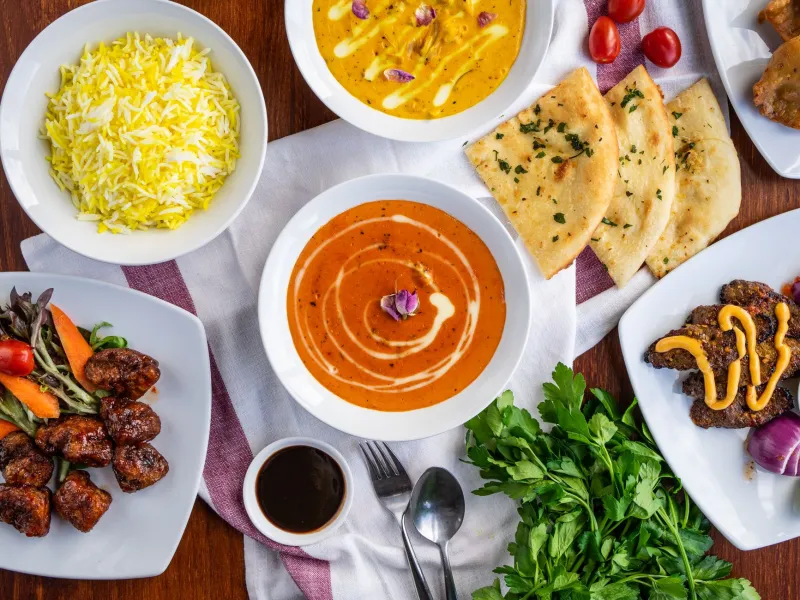
At Sitara of India WV, we've heard this over and over from customers who are trying Indian food seriously for the first time. They'll take a bite of something like a lamb rogan josh or a plate of chana masala, pause, and say some version of: "I don't know why, but this tastes familiar."
That's not imagination. The slow-cooked, deeply savory quality of many Indian dishes mirrors the low-and-slow cooking philosophy that defines a lot of Appalachian food. Braised meats, long-simmered beans, sauces that develop over hours — these are techniques that cross cultural lines because they produce a specific kind of depth that humans are neurologically primed to find satisfying.
There's also the fat factor. Ghee, the clarified butter used widely in Indian cooking, has a richness and a slightly nutty quality that resonates with people who grew up cooking with lard or real butter. It carries spices differently than vegetable oil does, releasing fat-soluble flavor compounds in a way that coats the palate and extends the eating experience. That's not a small thing. That's part of why Indian food feels substantial and satisfying rather than light or fleeting.
The Psychology of Comfort Across Cultures
Food psychologists talk a lot about "flavor memory" — the way certain tastes and smells bypass rational thought and go straight to emotion. It's why your grandmother's cooking tastes better than anyone else's version of the same dish, even if the recipe is identical.
What's interesting is that flavor memory can be shaped by exposure without you even realizing it. West Virginians who grew up eating heavily spiced sausage, pungent sauerkraut, or woodsy wild game have trained their brains to associate complexity and intensity with comfort. That training transfers.
Indian cuisine, particularly the home-style dishes that form the backbone of what we serve and prepare, operates in that same emotional register. It's food designed to nourish deeply, to be shared, to mark occasions and ordinary Tuesdays alike. Those are values that translate across every cultural boundary.
More Than a Trend
It would be easy to chalk up West Virginia's growing appetite for Indian food to novelty — people trying something new, following national food trends, looking for variety. And sure, that's part of it.
But what keeps people coming back isn't novelty. Novelty wears off fast. What keeps people coming back is genuine satisfaction, the kind that comes from food that actually delivers on its flavor promise.
The science suggests West Virginians aren't just willing to appreciate Indian cuisine — they're particularly well-suited to it. Decades of eating food that demands your full attention, that rewards patience and layering, that treats bold flavor as a baseline rather than a bonus: that's preparation, even if nobody planned it that way.
So the next time you take a bite of something from our kitchen and think "I don't know why, but this just works" — now you know. It's not a coincidence. It's chemistry, history, and a couple thousand years of spice routes converging right here in the Mountain State.