Hot Oil, Whole Spices, and a Little Chemistry: The Real Reason Tadka Changes Everything
If you've ever eaten at an Indian restaurant and thought, how does this taste so much more alive than anything I make at home, there's a good chance tadka is the answer. It's not a secret ingredient. It's not a complicated technique. It's a method — one that's been central to Indian cooking for thousands of years — and it does something to spices that grinding, stirring, or sprinkling simply cannot replicate.
Here at Sitara of India WV, we get asked about this a lot. Home cooks come in, eat something that blows their mind, and want to know what happened. So let's actually talk about it.
What Is Tadka, Exactly?
Tadka — also called tarka, chaunk, or vaghar depending on which region of India you're talking about — is the practice of blooming whole or coarsely ground spices in hot fat before adding them to a dish. Sometimes it kicks off the cooking process. Sometimes it's done at the very end and poured over a finished dal or soup like a fragrant, sizzling crown.
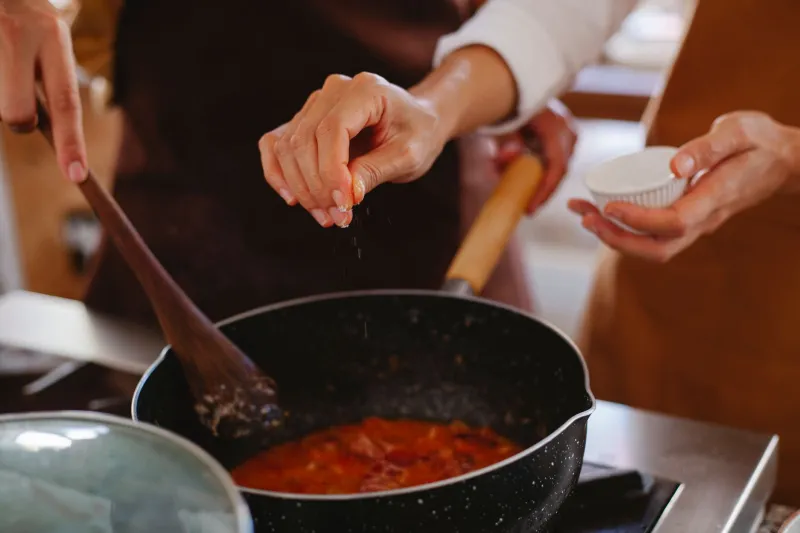
The basic setup is simple: heat oil or ghee in a small pan until it's genuinely hot (not warm, not shimmering — hot), then add your spices. Mustard seeds, cumin seeds, dried chilies, curry leaves, cardamom pods, cinnamon sticks, bay leaves. They hit the fat and immediately start doing something dramatic. The mustard seeds pop. The cumin darkens and hisses. The curry leaves crackle and curl. The whole kitchen shifts.
That's not just theater. That's chemistry.
The Science Behind the Sizzle
Whole spices are essentially little packages of volatile aromatic compounds — oils, terpenes, aldehydes — that are locked inside cell walls. When you grind a spice and toss it into a dish, some of those compounds release. But many of them stay trapped, or they dissipate too quickly in water-based cooking environments.
Hot fat changes the equation entirely.
Oil can reach temperatures that water never can — well above 300°F, sometimes higher — and fat is actually a better solvent for the fat-soluble aromatic molecules that give spices their character. When a cumin seed hits properly heated ghee, the heat ruptures those cell walls fast and efficiently, and the fat grabs onto the released compounds and holds them. That's why the flavor feels so much more intense and layered. You're not just getting the top note of a spice — you're getting the whole chord.
There's also a version of the Maillard reaction at play here. This is the same process that makes a seared steak taste better than a boiled one, or a toasted piece of bread more interesting than a soft slice. When spices hit high heat, their surface compounds undergo rapid chemical transformation, creating entirely new flavor molecules that didn't exist in the raw spice. Cumin seeds that have been properly tempered taste noticeably different from cumin powder stirred into a sauce — nuttier, smokier, more complex.
And if you've ever wondered why curry leaves smell like nothing in the bag but like everything when they hit hot oil — that's volatile oil release doing its work. The heat vaporizes the aromatic compounds almost instantly, which is why the smell hits you across the room.
Why Western Cooking Mostly Misses This
Western cooking traditions aren't completely without their fat-based flavor techniques. French cooking blooms aromatics in butter. Southern cooking builds flavor in bacon drippings. But the specific practice of tempering whole spices in high-heat fat, with attention to the order and timing of each addition, is something most American home cooks have never been taught.
Most American seasoning happens late in the cooking process — salt and pepper at the end, dried herbs stirred in near the finish. That's fine for what it is. But it's a fundamentally different relationship with spice. You're adding flavor on top of food rather than building flavor into the fat that the food will cook in or be finished with.
The result is that most Western-seasoned dishes taste like food with spices added. A properly tempered Indian dish tastes like the spices and the food have become one thing.
How to Actually Try This at Home
Good news for home cooks in West Virginia: you don't need special equipment or hard-to-find ingredients to start experimenting with tadka. You need a small heavy pan (a little stainless steel or cast iron saucepan works great), some oil or ghee, and whole spices. Cumin seeds are the best starting point — they're easy to find, forgiving to work with, and immediately transformative.
Start simple: Heat two tablespoons of oil in a small pan over medium-high heat until it's hot enough that a single cumin seed dropped in sizzles immediately. Add a teaspoon of cumin seeds. They'll darken and become fragrant in about 30 to 45 seconds. Pour the whole thing — oil and seeds — over a pot of lentil soup, roasted vegetables, or even plain rice. Taste the difference.
Watch your heat: This is where most beginners go wrong. If the oil isn't hot enough, the spices stew instead of bloom. If it's too hot, they burn and turn bitter. You want a fast, controlled sizzle, not a slow bubble and not a scorched mess.
Order matters: In more complex tadkas, spices go in at different times based on how long they need. Whole cinnamon and cardamom go in first. Mustard seeds and cumin seeds next. Dried chilies and curry leaves after that. Ground spices (if you use them) go in last, just for a few seconds, because they burn fast.
Try it as a finish: One of the most impressive things you can do is make a small tadka at the end of cooking and pour it over a finished dish. Dal makhani, split pea soup, even a simple bowl of plain yogurt with cucumber — a finishing tadka of cumin seeds, a dried red chili, and a pinch of smoked paprika in hot ghee will completely transform it.
The Deeper Lesson
Tadka isn't just a technique. It's a philosophy about how flavor works. Indian cooking has understood for centuries that spices need activation — that heat, fat, and timing are the real tools, and the spice itself is just the raw material.
Once you start thinking this way, your whole approach to cooking shifts. You start asking not just what should I add but how should I add it and when. That's a genuinely different level of kitchen thinking, and it produces genuinely different results.
We teach this kind of foundational technique in our catering consultations and cooking demos here at Sitara of India WV, because we believe that understanding why something works makes you a better cook across the board — not just when you're making Indian food. If you want to see tadka in action, come eat with us. The moment the curry leaves hit the pan, you'll understand everything.