Your Pantry, Upgraded: How Indian Spices Can Transform the Dishes You Already Cook
The Spice Rack You Already Have Is Closer to Indian Cooking Than You Think
Here's something a lot of home cooks don't realize: the spices sitting in your cabinet right now are probably cousins to the ones used in Indian kitchens every single day. Cumin, coriander, cinnamon, black pepper—these aren't exotic imports reserved for specialty dishes. They're pantry staples that cross both traditions. The difference is mostly in how they're used, and in what proportions.
At Sitara of India WV, we talk to a lot of folks who are curious about Indian cooking but feel like it's this whole complicated world they'd need a map to navigate. The truth is, you can start small. You can start tonight, with whatever you're already planning to make for dinner. A few thoughtful substitutions are all it takes to open the door.
Swap Your Chili Powder for Garam Masala (At Least Halfway)
Let's start with the one that surprises people the most. Chili powder is a blend—most commercial versions include cumin, oregano, garlic powder, and dried chili peppers. It's warm, savory, and a little smoky. Garam masala is also a blend, but it leans into different notes: cardamom, cloves, cinnamon, black pepper, and often coriander and cumin. It's warmer in the sweet-spice direction rather than the smoky-heat direction.
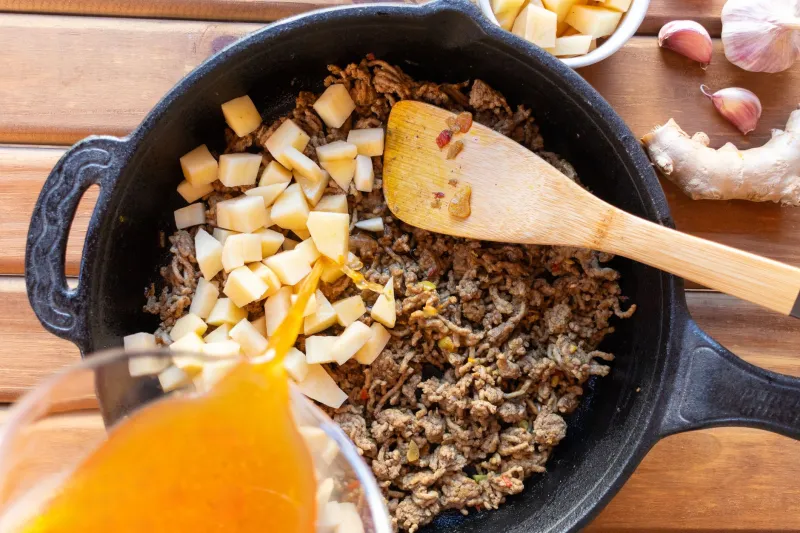
Try this: next time you're making a pot of chili, use half your usual chili powder and replace the other half with garam masala. You'll get this deep, layered warmth that makes people ask what your secret is. It works beautifully with ground beef or turkey, and it pairs especially well with kidney beans and tomatoes. Don't be afraid to add a small pinch at the end of cooking too—garam masala is often used as a finishing spice in Indian cooking, and that same technique works wonders in American dishes.
Cardamom: The Upgrade Your Baking Has Been Waiting For
If you've never added cardamom to a dessert, you're genuinely missing out. This one is easy to love because it smells almost like a more complex version of cinnamon—floral, slightly citrusy, with a warmth that lingers. In Indian cooking, cardamom shows up in everything from chai to rice pudding to sweets like kheer.
In your kitchen, try swapping about a quarter of the cinnamon in a recipe for ground cardamom. Apple pie, banana bread, oatmeal cookies, coffee cake—all of these get a subtle lift that's hard to put your finger on but impossible to ignore. You can also stir a pinch directly into your morning coffee grounds before brewing. It's a small thing, but it makes the whole cup feel special.
A note on buying cardamom: pre-ground is fine for baking, but if you can find whole green cardamom pods at an international grocery or order them online, cracking them open yourself will give you a noticeably more vibrant flavor.
Turmeric Instead of Paprika: The Color Swap That Does More
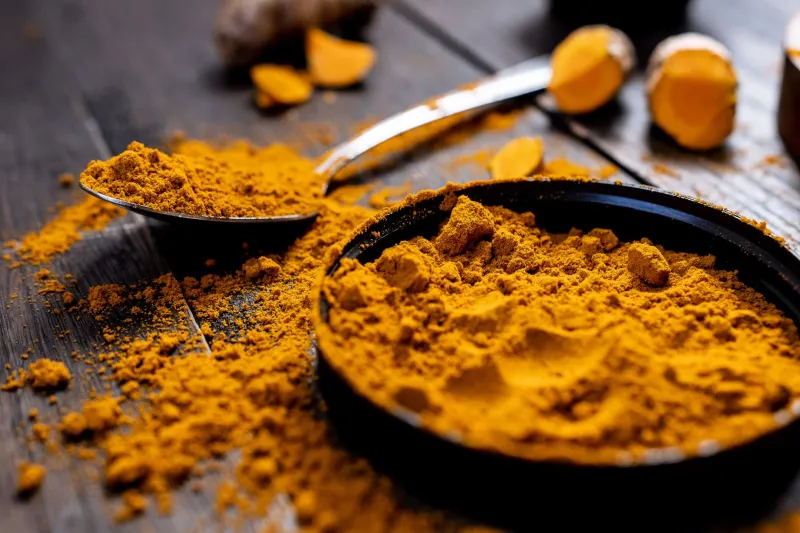
Paprika is one of those spices home cooks reach for almost on autopilot—into scrambled eggs, onto roasted vegetables, stirred into soups for color. Turmeric can do a lot of that same work, with the added bonus of a slightly earthy, peppery flavor and the kind of golden color that makes food look genuinely beautiful on the plate.
The substitution ratio isn't one-to-one since turmeric is more potent and slightly bitter in large quantities. Start with half the amount you'd normally use of paprika and taste as you go. It's particularly good in egg dishes, cauliflower roasts, lentil soups, and rice. If you've ever made a pot of plain white rice and thought it looked a little sad, a half teaspoon of turmeric stirred into the cooking water will give you something golden and fragrant without changing the flavor dramatically.
Bonus: turmeric has gotten a lot of attention for its anti-inflammatory properties, so if that matters to you, this is an easy way to work it into everyday meals.
Coriander Powder: Your New Best Friend for Meat Rubs
Ground coriander has a mild, slightly citrusy flavor that works as a quiet team player in spice blends. In Indian cooking, it's almost always paired with cumin—the two together create a base note that shows up in countless dishes. In American cooking, it tends to get overlooked in favor of bolder spices.
Try adding ground coriander to your next dry rub for chicken, pork, or beef. Mix it with your usual garlic powder, salt, and pepper, and you'll notice the meat has a more rounded, complex flavor after cooking. It's also excellent in bean dishes, vegetable soups, and even guacamole. If you're making a marinade, coriander pairs beautifully with lemon juice or lime—a combination that shows up in both Indian and Mexican cooking for good reason.
A Few Things to Keep in Mind as You Start Experimenting
Spices lose their potency over time, and a lot of people are working with jars that have been in the cabinet for two or three years. If your spices don't smell like much when you open the jar, they're not going to do much for your food either. It's worth investing in small quantities of fresh spices and replacing them more often rather than buying large containers that sit around.
Whole spices last longer than ground ones, so if you find yourself using something regularly, consider buying it whole and grinding small amounts as needed. A cheap coffee grinder dedicated to spices works perfectly for this.
And don't feel like you need to overhaul everything at once. Pick one swap from this list and try it this week. See how it feels. Indian cooking has been building flavor with these ingredients for thousands of years, and the wisdom behind the spicing isn't complicated—it's just a matter of getting comfortable with what each spice brings to the table.
The Bigger Picture
What we love about this kind of cooking exploration is that it doesn't require a dramatic shift in what you eat or how you cook. It's more of a gradual opening up—a willingness to reach for something slightly different and see where it takes you. West Virginia kitchens are full of cooks who know how to coax deep, satisfying flavor out of simple ingredients. That instinct translates directly to Indian cooking.
If you ever want to taste what these spices can do in the hands of someone who's been working with them their whole life, come find us. We're always happy to talk food, share a meal, and make Indian cuisine feel a little more like home.