Stock Your Spice Drawer Like an Indian Kitchen: A Beginner's Guide for West Virginia Home Cooks
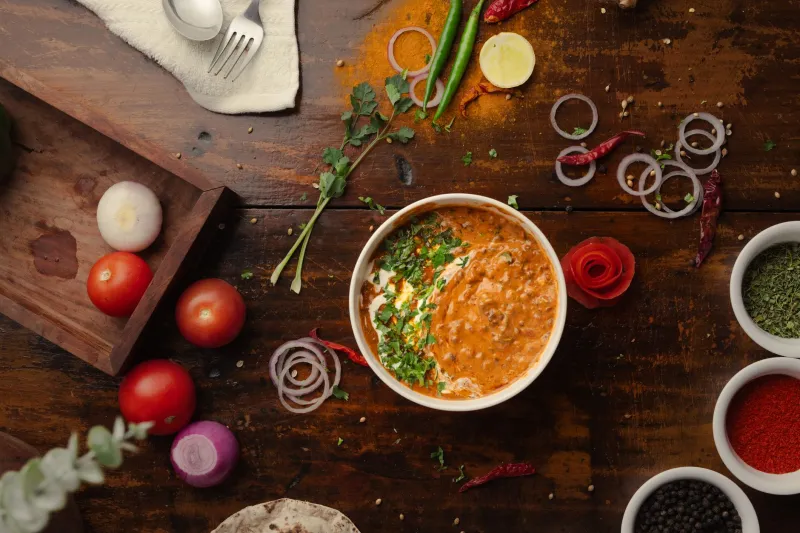
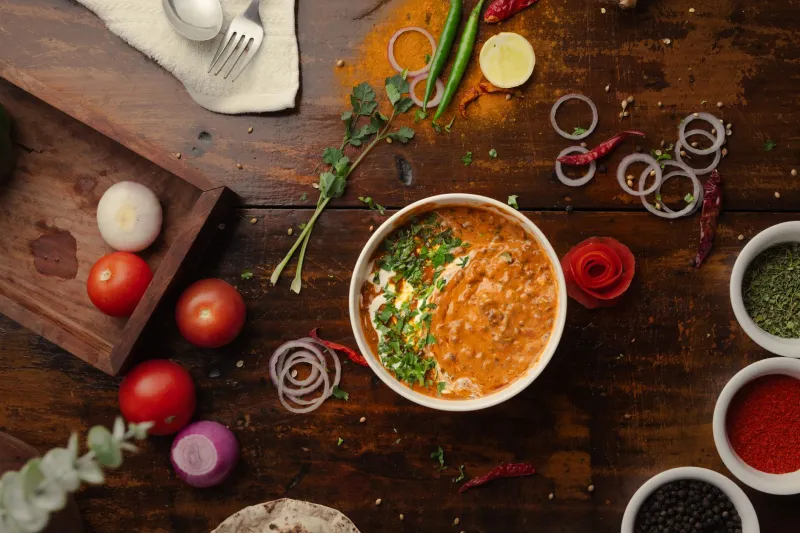
There's a moment every new Indian cooking enthusiast hits—you're staring at a recipe that calls for fenugreek seeds, curry leaves, asafoetida, and black cardamom, and suddenly it feels like you need a passport just to get dinner on the table. Here's the truth: you don't. Indian cooking has a learning curve, sure, but the foundation is surprisingly approachable. And once you've got the right handful of ingredients on hand, you'll realize that a lot of what makes Indian food taste the way it does isn't magic—it's method and a well-stocked spice drawer.
If you're somewhere in West Virginia wondering where to even begin, this guide is for you.
Start With the Big Five (Then Build From There)
Before you go buying twenty different jars, focus on the five spices that appear in the widest range of Indian dishes. These are your workhorses:
Cumin — Both whole seeds and ground. Whole cumin is often bloomed in hot oil at the very start of a dish, releasing a nutty, earthy aroma that becomes the flavor backbone. Ground cumin shows up in spice blends, marinades, and raitas alike.
Coriander — Again, whole and ground. Coriander has a citrusy, slightly floral quality that balances the earthiness of cumin. The two almost always appear together.
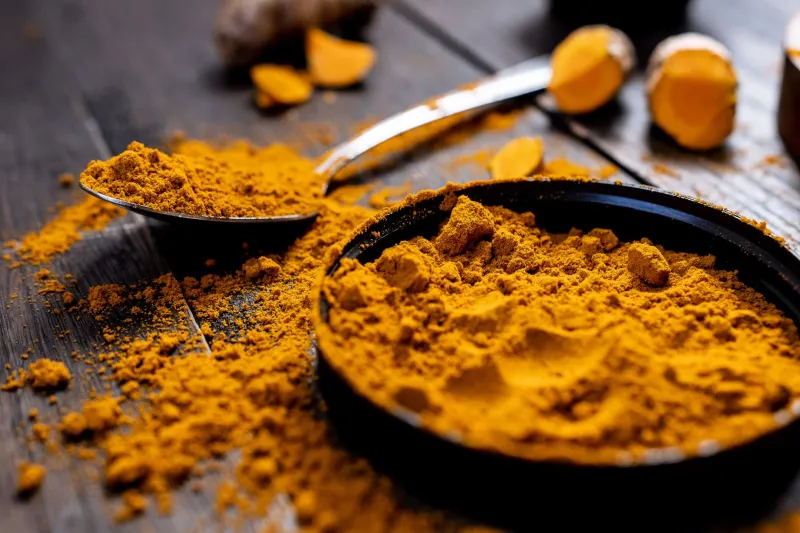
Turmeric — The golden powder that gives many Indian dishes their signature color. It's warm, slightly bitter, and anti-inflammatory to boot. A little goes a long way—start with a quarter teaspoon and work up from there.
Garam masala — This is a pre-blended spice mix rather than a single spice, and it varies by region and family tradition. Think of it as the finishing touch that gets added near the end of cooking. A good store-bought version works fine for beginners.
Red chili powder — Not to be confused with American chili powder (which includes other seasonings). Indian red chili powder is pure ground dried chilies. You control the heat level by how much you add.
With just these five, you can make a solid dal, a basic chicken curry, roasted vegetables, and a half-dozen other dishes. That's a pretty impressive return on a small investment.
The Aromatics That Do the Heavy Lifting
Spices alone don't make Indian food. The aromatics—fresh ingredients that form the flavor base—are just as important. If you've already got onions, garlic, and ginger in your kitchen, you're closer than you think.
Onions are the foundation of most North Indian cooking. They're cooked slowly until soft, golden, or even deeply caramelized depending on the dish. Don't rush this step.
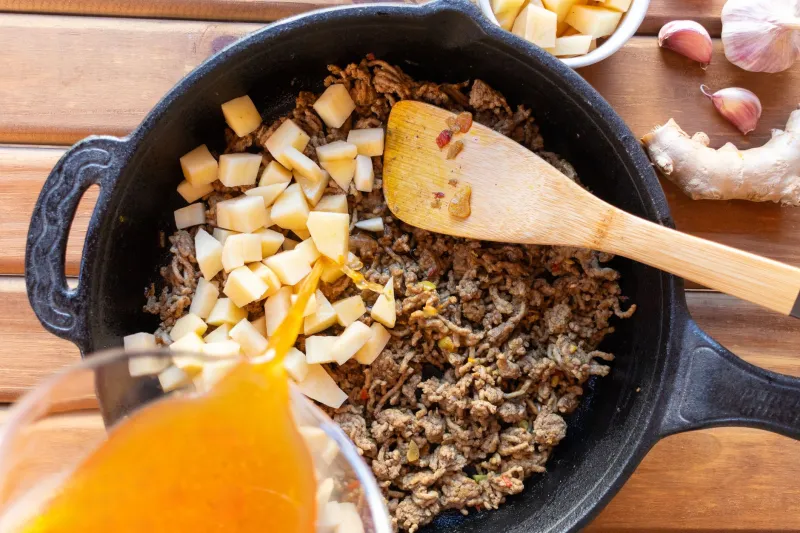
Garlic and ginger almost always appear together, often as a paste. You can buy pre-made ginger-garlic paste at Indian grocery stores or online, but making your own in a small food processor takes about three minutes and tastes noticeably fresher.
Fresh tomatoes or canned crushed tomatoes serve as the base for countless sauces and gravies. They add body, acidity, and a natural sweetness once cooked down.
Green chilies (typically serrano or Thai chilies) add a bright, fresh heat that dried chili powder doesn't replicate. Keep a small bag in the freezer—they hold up well and are ready whenever you need them.
A Few Pantry Staples Worth Having
Beyond spices and aromatics, certain pantry items will make your Indian cooking life significantly easier:
- Basmati rice — Long-grain, aromatic, and the natural companion to most Indian meals. It's widely available at Walmart, Kroger, and most grocery chains across West Virginia.
- Dried lentils — Red lentils (masoor dal) cook quickly and make a comforting, protein-rich dish with very little effort. Yellow split peas (chana dal) are another great option.
- Coconut milk — Essential for South Indian curries and many regional specialties. Canned versions work perfectly.
- Ghee or neutral oil — Ghee (clarified butter) adds a rich, nutty depth to dishes. It's increasingly available at mainstream grocery stores, but canola or vegetable oil works well too.
- Yogurt — Plain, full-fat yogurt is used in marinades, sauces, and as a cooling side dish. It's something most West Virginia kitchens already have.
Finding Ingredients in West Virginia
This is where things get a little more specific to where you live. Larger cities like Charleston, Morgantown, and Huntington have Indian or international grocery stores that carry everything you'd need. If you're in a smaller town, here's how to think about it:
Your local grocery store is more useful than you think. Kroger, Walmart, and even many independent grocers now carry turmeric, cumin, coriander, garam masala, and canned coconut milk. Check the international foods aisle and the bulk spice section.
Online ordering fills the gaps. Amazon carries an impressive range of Indian pantry staples, and specialty retailers like iShopIndian, Patel Brothers Online, and Diaspora Co. (known for high-quality single-origin spices) ship directly to your door. If you're looking for fresher, more vibrant spices than what's sitting on a grocery store shelf, ordering online can actually be a game-changer.
Ask around. West Virginia has a growing South Asian community, particularly in university towns. Word of mouth often leads to the best local sources—a neighbor who knows where to find curry leaves, or a local restaurant that might point you toward a supplier.
One Dish to Make First
If you want to put your new pantry staples to work right away, start with a simple dal—specifically, red lentil dal. It requires almost nothing beyond your big five spices, red lentils, onion, garlic, ginger, and tomato. It comes together in about 30 minutes, it's deeply satisfying, and it'll teach you the fundamental technique of blooming spices in oil that shows up in nearly every Indian recipe you'll ever make.
Once you've made dal twice, you'll understand intuitively why the spices go in when they do, how the flavors build, and why Indian cooking rewards patience at the stove. Everything else gets easier from there.
The Bigger Picture
At Sitara of India WV, we hear from a lot of people who love Indian food but feel intimidated to cook it themselves. The honest answer is that the intimidation fades fast once you've got the right starting point. Indian cuisine is one of the most varied, regional, and deeply layered food traditions in the world—but at its heart, it's home cooking. It was built to feed families, to use what's available, and to make something extraordinary out of relatively simple ingredients.
You don't have to master it all at once. Start with a drawer full of the right spices, a bag of red lentils, and a willingness to let onions cook longer than feels necessary. The rest will follow.